Note about taxonomy
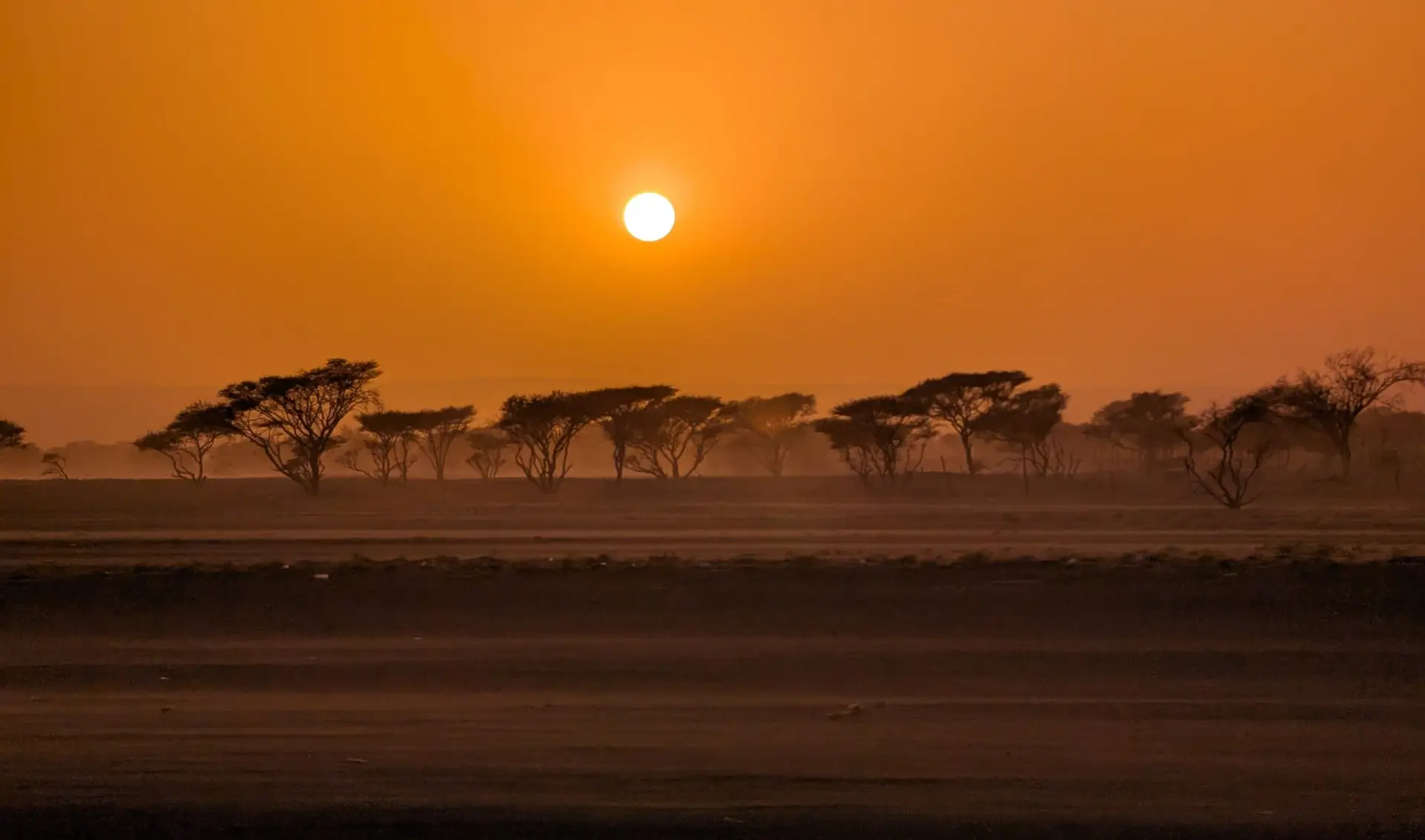
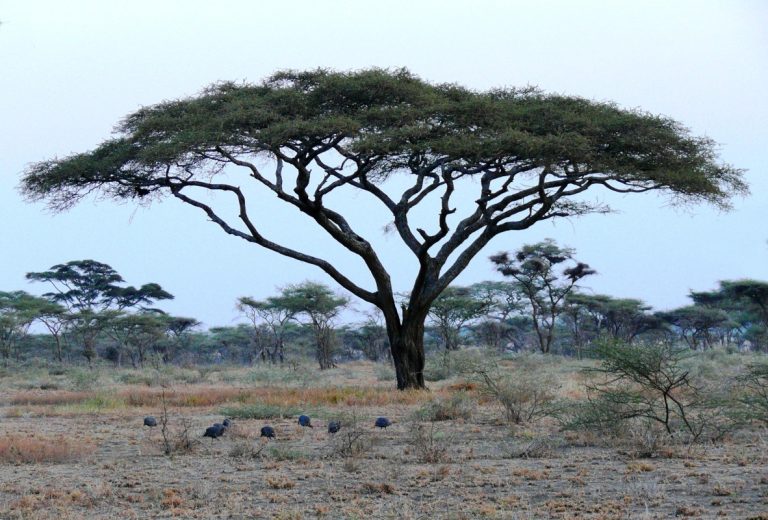
As a result of phylogenetic studies, a reclassification of the genus Acacia was proposed in 2003 and, after the usual intense debate, was finally approved at the 17th International Botanical Congress in 2011. Since then, taxonomy reserves the genus Acacia principally for those species native to Australia, which comprised the majority in the previous classification and around 1100 species in the current. Acacias native to Africa and the Middle East were reclassified into the genera Vachellia and Senegalia, both adding up to approximately 350 species [1].
Previous publications, like the 2008 paper by Benny Shanon we will discuss below, referred of course to Acacia sensu lato. In this article, and since the species we will principally talk about (like Vachellia tortilis, formerly Acacia tortilis) were affected by the change, either the old or the new nomenclature will be used depending on context. Our genus abbreviations correspond to A.=Acacia, S.=Senegalia and V.=Vachellia. Still, following colloquial language, we may also use the generic, non-scientific “acacias” to refer to the group of African and Middle Eastern species that taxonomy now classifies as Vachellia or Senegalia.
From the Amazon to Sinai
“The ideas entertained here were primarily based on the fact that in the arid areas of the Sinai peninsula and Southern Israel there grow two plants containing the same psychoactive molecules found in the plants from which the powerful Amazonian hallucinogenic brew Ayahuasca is prepared. The two plants are species of Acacia tree and the bush Peganum harmala.” [2]
Even though Shanon himself called it a speculative hypothesis, the idea was immediately adopted by a growing audience interested in ayahuasca, the epitome of the visionary brew and a key influence in the recent (re)discovery of shamanic practices in our culture. The association of ancient mystical experiences and theophanies with the hypothetical use of psychoactive plants was nothing new, but the link to the Hebrew tradition, together with the wide geographical distribution of the plants on which Shanon based his hypothesis, ignited speculations and even emboldened others to project this new “ancient entheogen” to other locations across a major historical landscape, from Ancient Egypt to Sumer and beyond. In the last year alone, we have continued to come across comments, articles and even courses and presentations which, whether consciously or not, are based on Shanon’s paper. This seems enough to motivate a closer look into the data it presents; but scrutiny aside, here’s a story where our different notions of myth—as ancient tale, misconception, popular belief or even imaginary element—converge. To which we’d like to add a reflection on what may grant a tree the status of sacred.
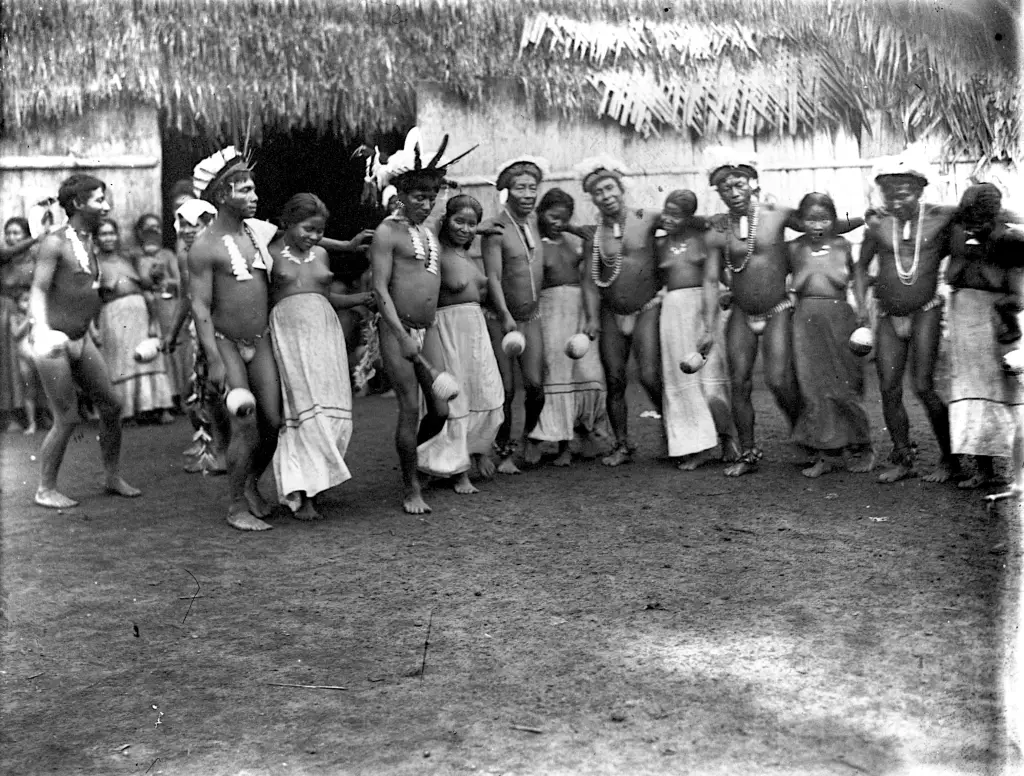
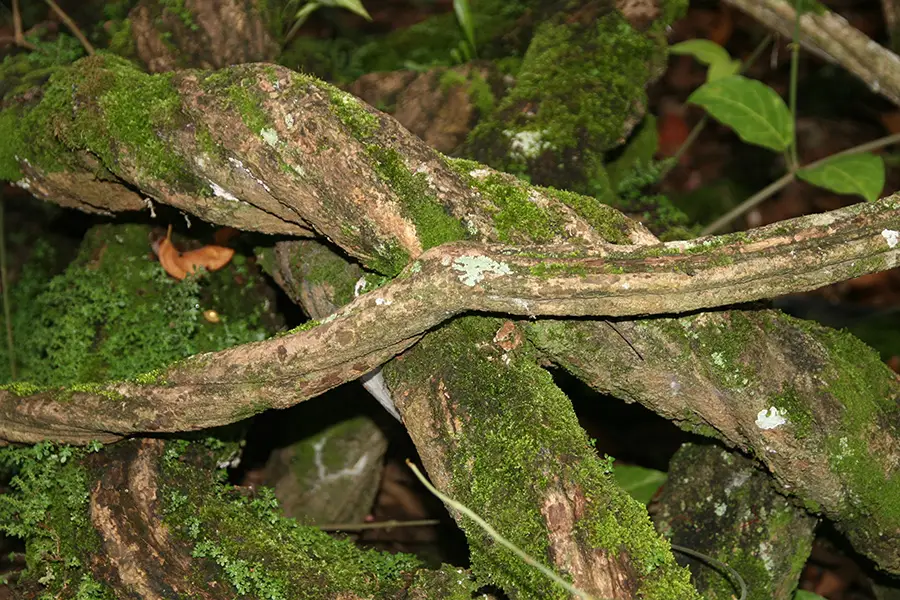
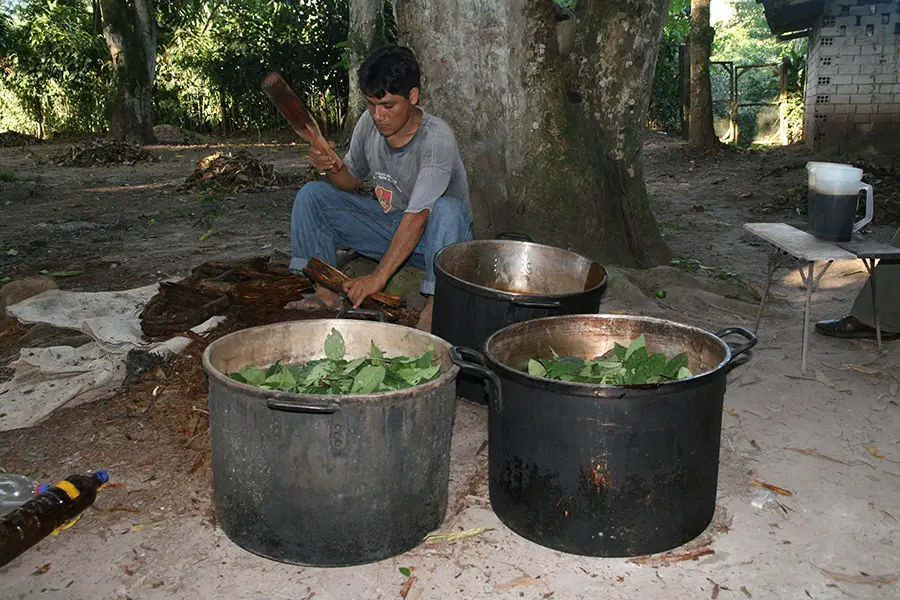
Before addressing Shanon’s ideas, we should set the stage with a quick overview of what originally inspired them: the ayahuasca brew, and specifically its principal ingredients.
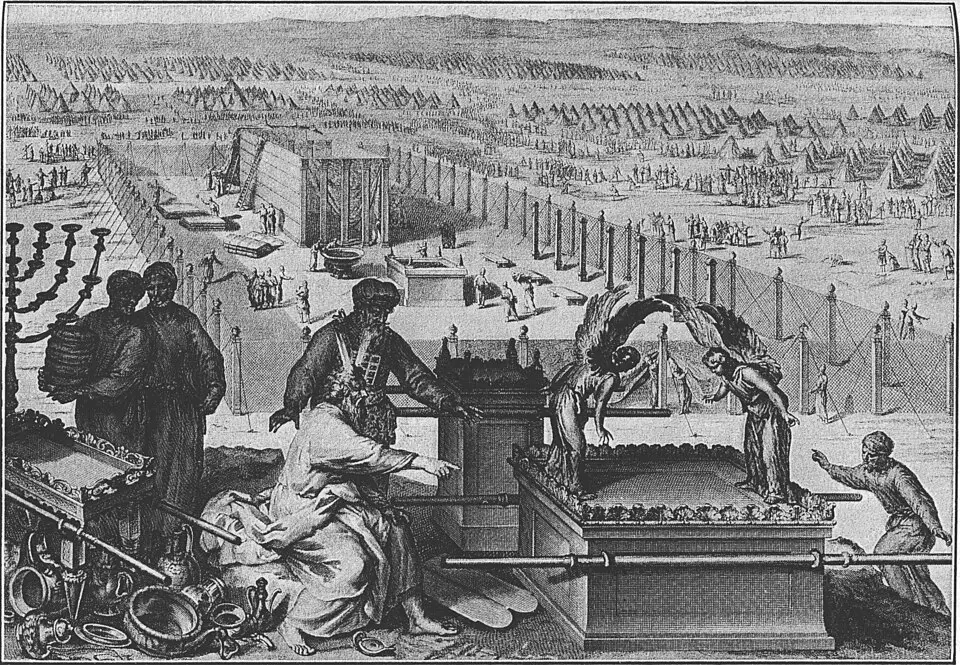
Interdisciplinary work can be a daunting task for any author; addressing each and every observation Shanon made to corroborate his hypothesis is not the aim of this article. Some of his suggestions, like the proposal that the bush in flames (yet not burning) where Moses encountered God, or God’s manifestations in Mount Sinai were the result of mind-altering substances, could be applied to virtually any account of mystical visions or experiences throughout history. Although, keeping ayahuasca in mind, Shanon does elaborate in detail: for instance, about how the appearance of God is preceded by three days of purification and sexual abstinence by the Israelites, which he connects to the usual fasting requirements before an ayahuasca ceremony (overlooking the fact that purification and sexual abstinence are commonplace in ritual preliminary work in multiple traditions); or the transformation of a staff into a snake, which Shanon notes as a common, recurring element in ayahuasca visions (but the serpent is an important, nearly ubiquitous symbol in myths and sacred scriptures, related or not to psychoactive substances).
The argument that interests us most here is precisely the one on which, as stated in our first quotation, Shanon primarily bases his hypothesis: ethnobotanical data.
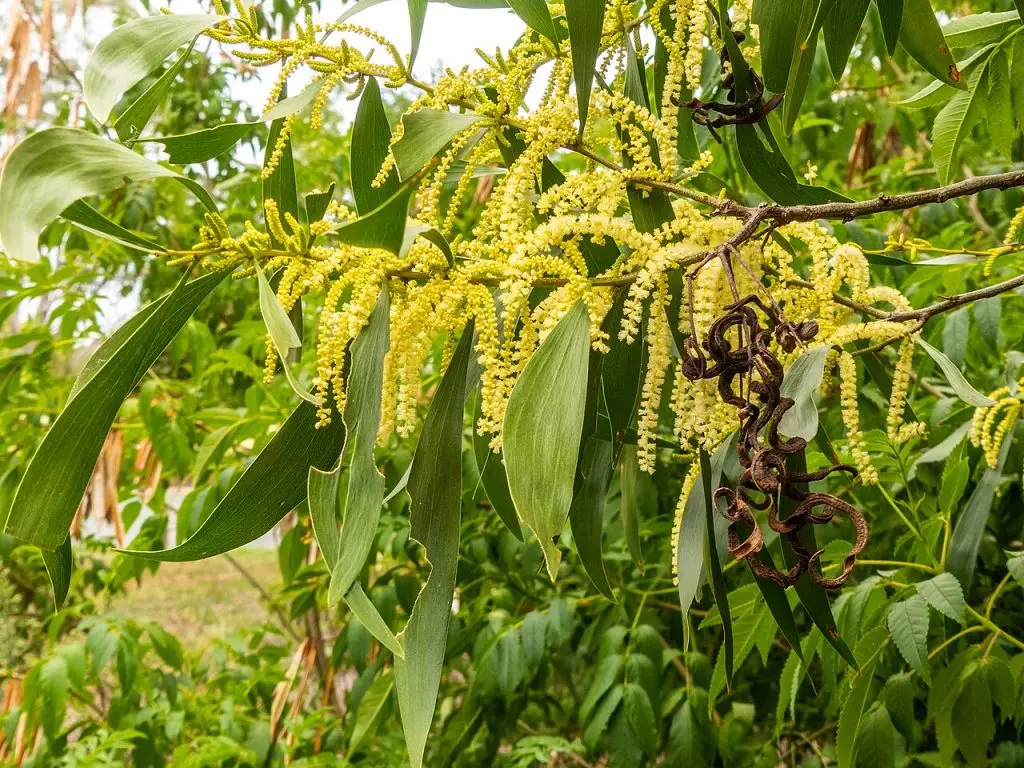
There are many varieties of the tree [acacia], and it grows not only in the Sinai desert, but also in Australia, Mexico, and South America. Subspecies [sic] growing in the Sinai peninsula and in the Negev desert of southern Israel and containing DMT are Acacia albida (Mimosaceae), Acacia lactea [sic] (Mimosaceae) and Acacia tortilis (Mimosaceae). Also containing DMT are Acacia seyal (Mimosaceae) and Acacia nilotica (Mimosaceae), which grow in Egypt (see Shulgin and Shulgin, 1997). Feliks (1997) proposes that the biblical shittim is Acacia albida; Duke (1983) associates the shittim with Acacia seyal. However, Danin (personal communication), the present-day leading expert on the plants of the Land of Israel, has pointed out to me that neither of these plants grows in the Sinai peninsula. (…) Thus, the most likely candidates seems to be Acacia tortilis and Acacia lactea [sic]. In sum, while the particular identification of the biblical tree might be unsettled, it is a fact that some acacia subspecies that grow in the region do contain DMT. [12]
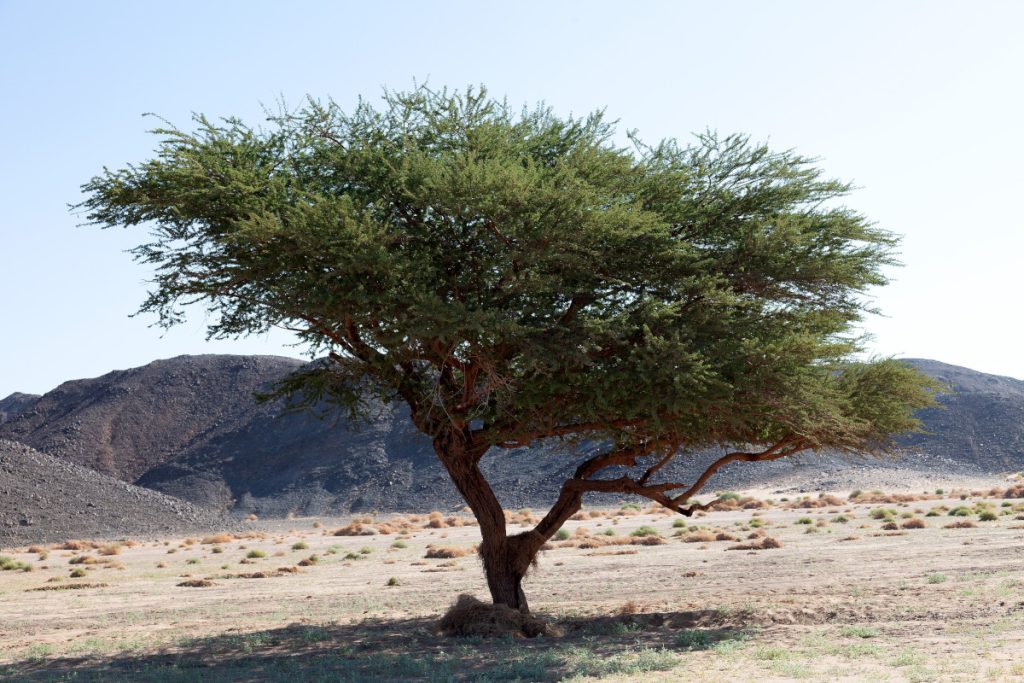
But making ethnobotanical data the cornerstone of a speculative hypothesis without conducting a thorough review of its sources is a bold move. We can understand Shanon’s audacity, however, when he wrote “it is a fact that some acacia subspecies that grow in the region do contain DMT”; especially because he relied on information provided by a source that, admittedly, was as authoritative as it gets when it comes to psychedelic compounds: Alexander Shulgin.
A Misunderstanding behind the Myth
DMT is everywhere, is how Shulgin named one of the chapters of his book TiHKAL, The Continuation, dedicated to the many sources of psychedelic tryptamines in plants, fungi and even animals. Of course the title is an overstatement, but if you are somewhat familiar with the Shulgins’ work (if you are not, there is an introduction in the second issue of our digital publication), you will know that their masterpieces PiHKAL and TiHKAL are unique in their scope and perspective, with neither content nor structure accommodating academic literature protocols.
There is DMT (or NMT, or T) reported in the following Acacia species: A. albida (DMT, in the leaf), A. confusa (DMT and NMT, in the leaf, stem and bark), A. cultriformis or Golden Glow or Knife-leaf Wattle (T, in the leaf and stem), A. laeta (DMT, in the leaf), A. mellifera (DMT, in the leaf), A. nilotica (DMT, in the leaf), A. phlebophylla or Buffalo Sallow Wattle (DMT, in the leaf), A. podalyriaefolia or Mt. Morgan’s Wattle, or Queensland Silver Wattle (T, in the leaf), A. polyacantha (DMT, in the leaf), A. senegal (DMT, in the leaf), A. seyal (DMT, in the leaf), A. sieberiana (DMT, in the leaf), A. simplicifolia (DMT and NMT, in the leaf, stem and trunk bark), and A. vestita or Hairy Wattle (T, in the leaf and stem). [15], [16]
In his seminal classics PiHKAL and TiHKAL, Shulgin did not use source references in chapters about psychoactive substances because he essentially drew from his own extensive self-experimentation and laboratory notebooks. This logic also reached his discussion about plant sources of tryptamines, which was based on existing research from third parties, yet references were not provided. In this particular case, however, it seems very likely that the original source had to be the only paper previously published concerning the presence of DMT in some African and Middle Eastern Acacia species, an article from 1975 that may be at the origin of historical confusion. It is unclear if Shulgin himself misunderstood the paper, which is unlikely given his expertise in chemistry, or if it was cited by someone else second hand and Shulgin simply never verified the source directly.
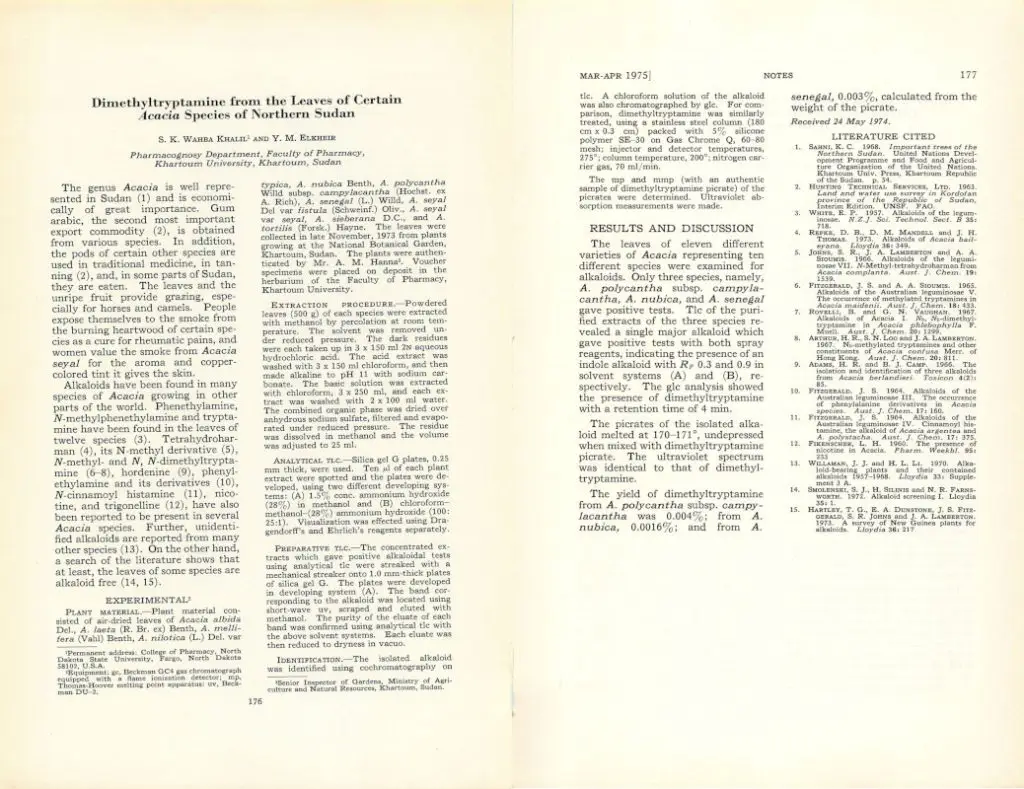
But the problem is precisely in the results reported in the paper:
Not only was DMT detected in only three of the eleven varieties (one of them being A. nubica, curiously the one missing in Shulgin’s list) but the concentrations were also very small, below the threshold that phytochemical research usually considers “traces”. For comparison, to obtain the same amount of DMT contained in around 10 g of Psychotria viridis leaves (roughly equivalent to an average ayahuasca dose), one would need more than 1.5 kg of A. senegal leaves. [20]
While this alone dismantles the central argument for the biblical entheogens hypothesis at the time it was proposed, we wanted to check the information against more recent publications and have carried out a review of recent literature concerning properties and phytochemical analysis of all the species mentioned by Shanon in his article. This review, conducted by Rafael Sacramento, is too extensive to include here and will be made available as an appendix. Just to quote some of its concluding remarks,
Nonetheless, the special consideration that desert acacias have received remains. With or without visionary substances in them, people in arid regions of North Africa and the Near East had regarded these trees as special, even sacred in very ancient times—and that is indubitably a fact.
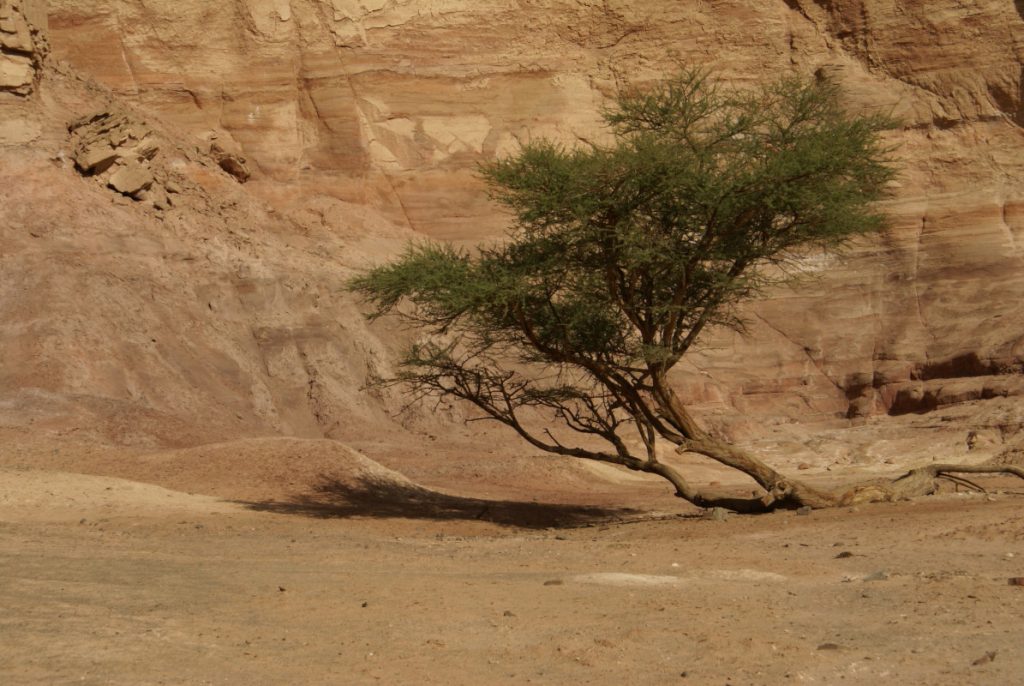
The Sacred Acacia
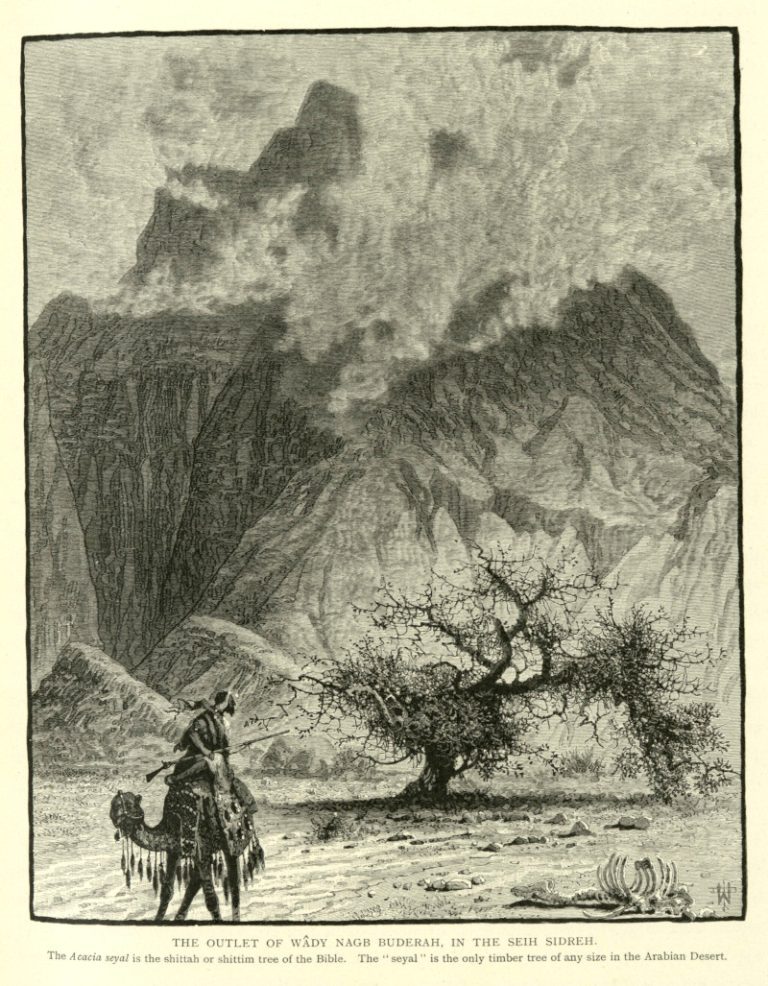
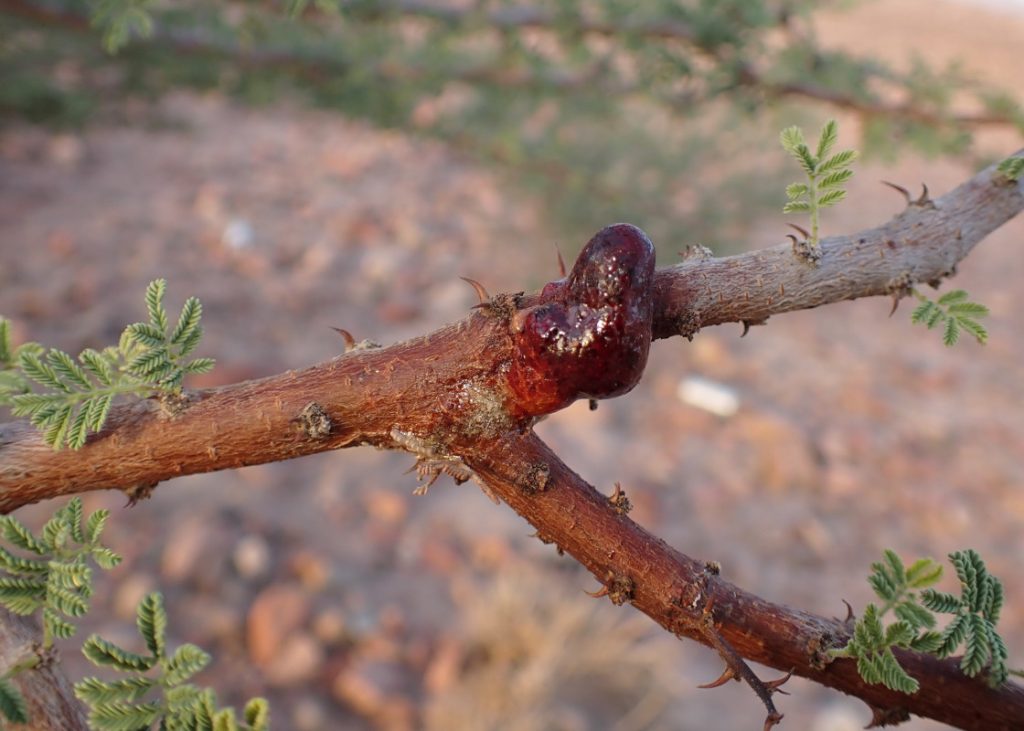
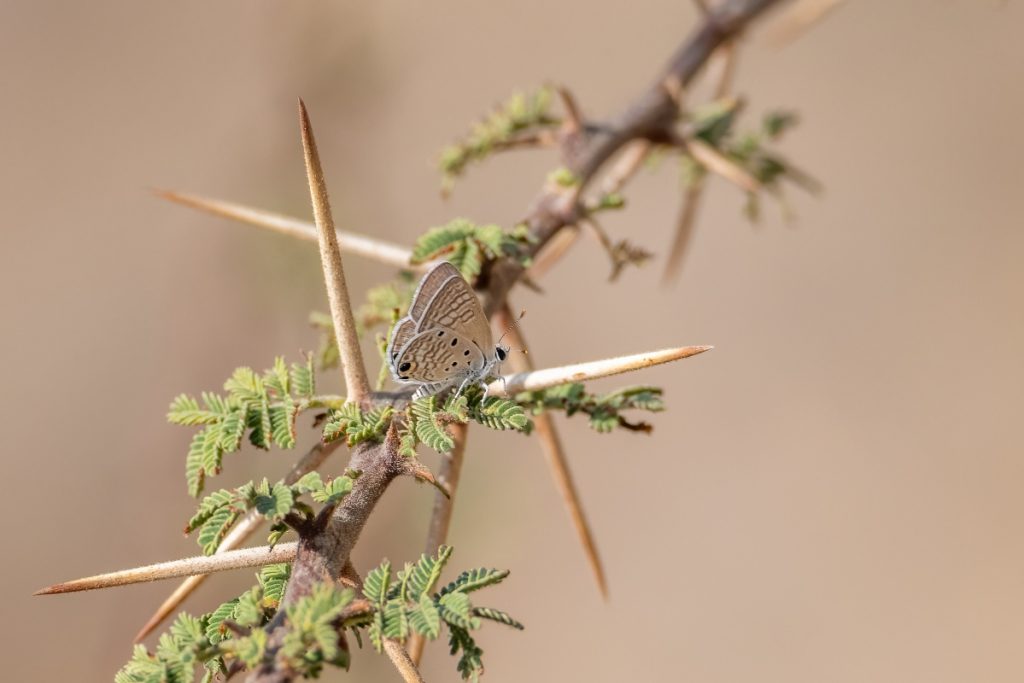
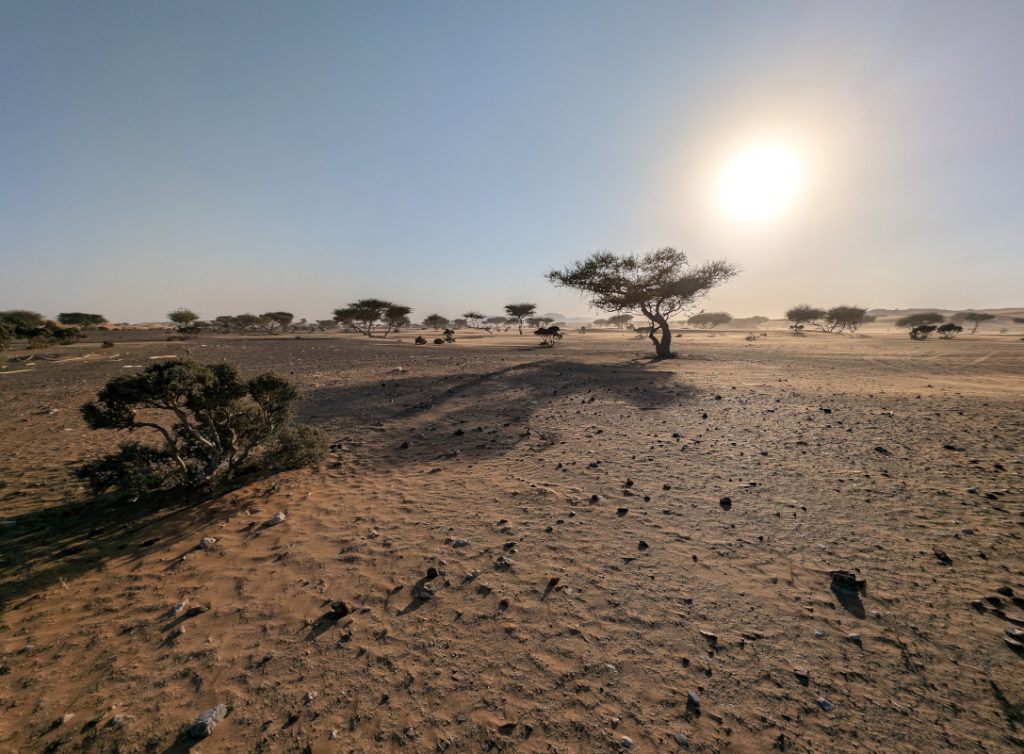
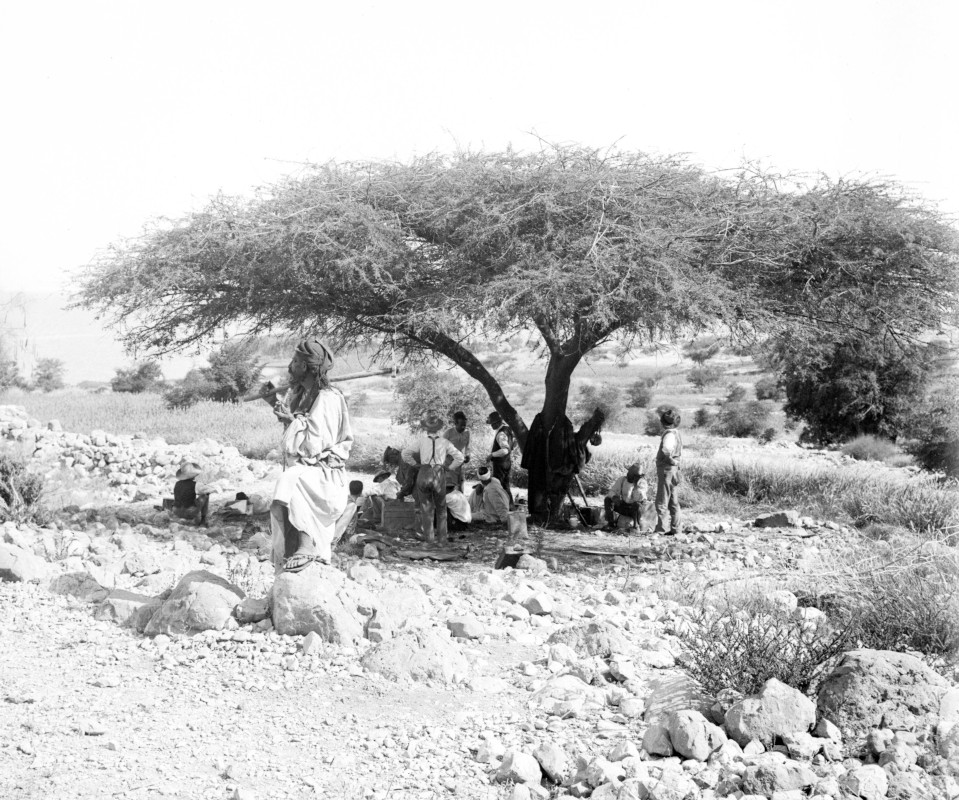
The most important shrine of al-‘Uzzā in Arabia, which the goddess herself was believed to often manifest in, was a cluster of three acacia trees in Nakhlat ash-Shamiyyah, east of the town of Makkah (Mecca), where she was beloved. With the arrival of Islam, the eradication of previous divinities, including their sacred sites, was of course a high priority:
When the Prophet captured Mecca, he dispatched Khalid ibn-al-Walid saying, ‘Go to the valley of Nakhlah; there you will find three trees. Cut down the first one.’ Khalid went and cut it down. On his return to report, the Prophet asked him saying, ‘Have you seen anything there?’ Khalid replied and said, ‘No.’ The Prophet ordered him to return and cut down the second tree. He went and cut it down. On his return to report the Prophet asked him a second time, ‘Have you seen anything there?’ Khalid answered, ‘No.’ Thereupon the Prophet ordered him to go back and cut down the third tree. When Khalid arrived on the scene he found an Abyssinian woman with dishevelled hair and her hands placed on her shoulder[s], gnashing and grating her teeth. Behind her stood Dubayyah al-Sulami who was then the custodian of al-‘Uzza (…) [Khalid] dealt her a blow which severed her head in twain, and lo, she crumbled into ashes. He then cut down the tree and killed Dubayyah the custodian, after which he returned to the Prophet and reported to him his exploit. Thereupon the Prophet said, ‘That was al-‘Uzzā. But she is no more. The Arabs shall have none after her. Verily she shall never be worshipped again. [40]
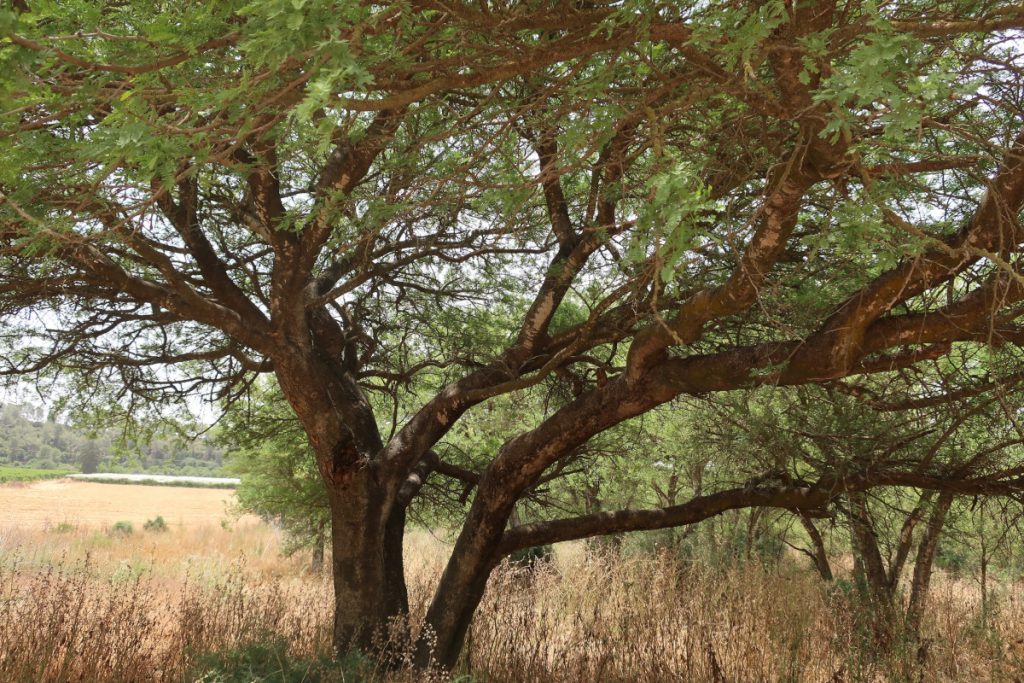
Again, this was no war on trees; rather their submission, along with many other things, to a tribal doctrine that supersedes nature, which is rarely seen as a source of divinity anymore but rather as God’s property given in usufruct, a dividend paid to faithful shareholders. This vision is truly far from Amazonian worldviews, and does not quite align with the insights a healthy human would gain from serious dedication to entheogenic plant brews.
Acknowledgements
I would especially like to thank Rafael Sacramento, for his thorough review of recent academic papers discussing the phytochemistry of African and Middle Eastern acacias. His report provided essential (and sometimes, verbatim) considerations for this article, and above all allowed me to ensure that some conclusions are consistent with the currently available research data.
Also many thanks to Keeper Trout (https://troutsnotes.com) for kindly providing a copy of Wahba Khalil & Elkheir 1975, and overall for his outstanding work researching, curating and publishing information about plant sources of psychedelic compounds. His books, freely available, remain a peerless and invaluable reference source.
I would also like to acknowledge Andrew Dunn for a fascinating discussion about Peganum harmala and the Middle Eastern tryptamines hypothesis that ultimately encouraged the present essay.